Our Stricken Aircraft Fire Simulators (SAFS) provide a controlled and repeatable setting for fire and rescue training on aircraft fuselage fires.
These simulators mimic the structure, compartments, and materials of a medium commercial aircraft fuselage section. Realistic fire and smoke conditions are created using controlled fire systems fueled by carbonaceous materials or LPG and or kerosene.
General description
The SAFS feature a modular, cylindrical fuselage section which represents the main body and cockpit of an aircraft and includes:
- Cockpit section and mock nose cone with window panels
- Main fuselage section with internal seating frames and an aisle
- Access doors and emergency exits for rescue training
- Structural steel frame for support and stability during use
The system is made for outdoor installation on a concrete or asphalt surface, with integrated drainage for firewater runoff.
Structural design
| Component | Description |
|---|---|
| Material | Heavy-duty carbon steel with a heat-resistant coating (up to 1100°C) |
| Frame Support | Welded steel base with lifting points and anchor plates |
| Surface Coating | High-temperature epoxy primer and heat-resistant paint |
| Access Points | Mock passenger doors, cockpit hatch, and overwing exits |
| Internal Layout | Bench seating, aisle, instrument panels (non-functional), and optional cargo bay |
Fire training system
Fire zones
Designated fire zones can be set up as follows:

- Cockpit fire zone simulates electrical or instrument panel fires
- Cabin fire zone simulates seat or overhead locker fires
- Aisle fire zone for practicing fire progression and extinguishment
- Under-floor fire zone simulates landing gear or undercarriage fires
- Engine or nacelle fire zone providing external training area simulation
Fuel system options
Option A: Carbonaceous system
A carbonaceous system used wood, straw, or similar organic fuel. It has manual ignition and extinguishment.
This system is ideal for basic fire behaviour and ventilation training with a simple, low-maintenance setup.
Option B: LPG and or kerosene controlled system
An LPG or kerosene controlled system uses electronically controlled burners that include safety interlocks.
This system allows for individual or grouped fire zones and provides real-time control over flame height and intensity. It features remote ignition and emergency shutdown, along with integrated flame detection and automatic suppression cut-off.
Safety controls
Our SAFS includes gas shut-off valves with fail-safe solenoids, pressure regulators, and gas monitoring sensors. There are emergency stop (E-stop) buttons at both the control panel and instructor station, along with thermal shielding and flame arrestors. This simulator also includes firewater supply and drainage integration.
Control system
| Function | Description |
|---|---|
| Instructor Control Panel | Weatherproof, lockable cabinet that contains the control interface |
| Fire Zone Control | Allows for individual activation, duration, and flame intensity |
| Safety System Integration | Includes E-stop, gas pressure monitoring, and flame detection |
| Data Logging (optional) | Records session details such as fire durations and temperatures |
| Remote Operation | Allows for optional wireless or tethered remote control |
Utilities and connections
| Fuel Supply | Can be powered by LPG cylinders or a bulk tank as per the design |
| Power Supply | Requires 230V AC, 16A single-phase or 3-phase, depending on controls |
| Water Supply | INeeds a fire hydrant or hose reel connection that provides at least 500 L/min |
| Drainage | An oil/water separator is recommended for runoff |
Safety features
Our SAFS meets relevant standards, including BS EN 746-2 and NFPA 1402. It includes flame and gas leak detection sensors, audible and visual alarms, instructor lockout, and override control. It also provides high-temperature insulation in critical areas.
Latest News
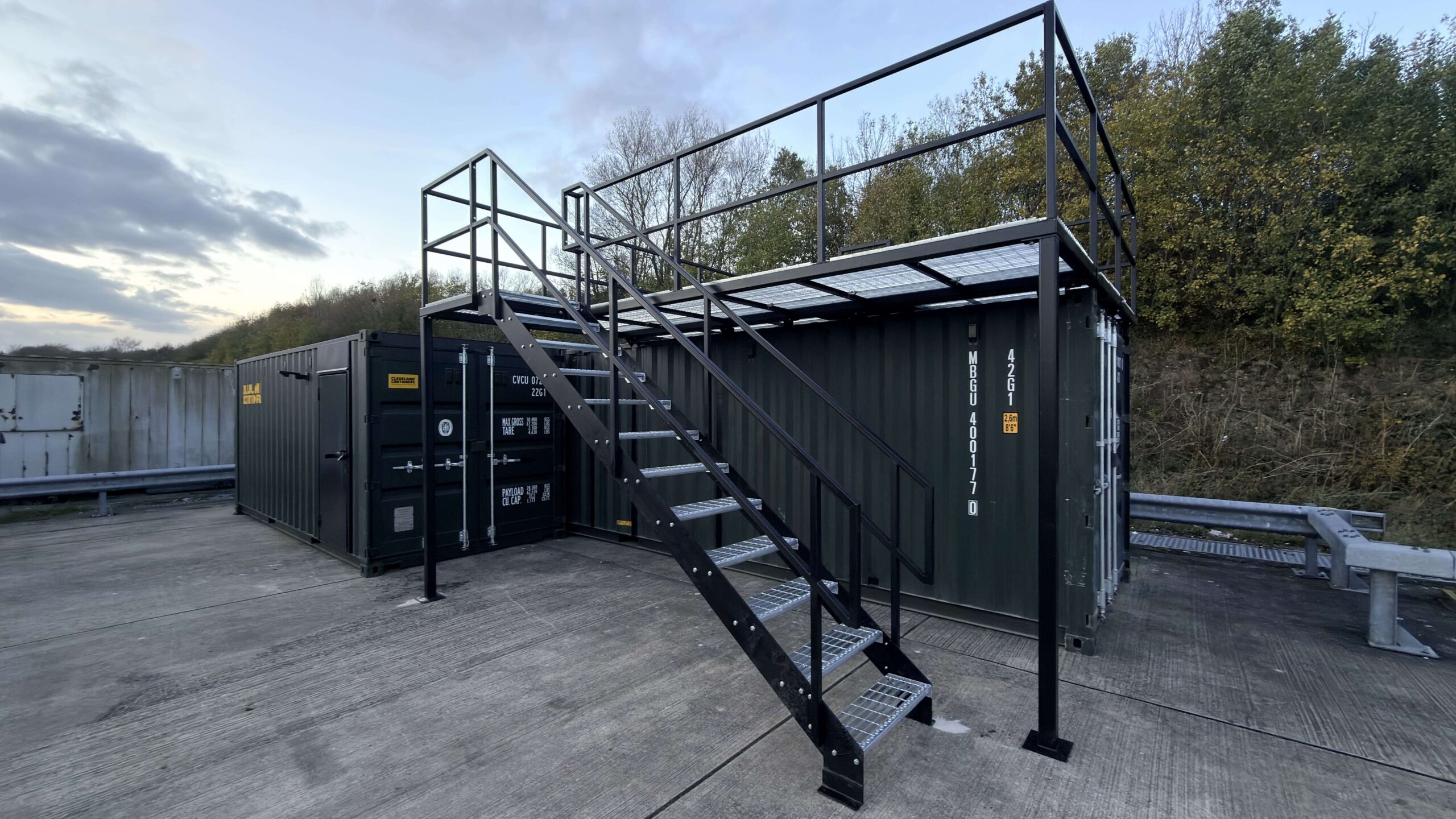
Confined space training facility installed at Liverpool Airport
We are pleased to announce the successful delivery and installation of a new confined space training facility at Liverpool Airport, enhancing the airport’s ability to deliver realistic and effective emergency response and safety training.
Our accreditations